
"young coffee plant"
3000 article(s) found

Introduction to the Regional treatment method of Coffee Bean Grinding scale in Emerald Manor of Colombia
Colombian Emerald Manor Coffee Bean Grinding scale Variety production area treatment method Colombian coffee is mainly small-grain coffee. Plants are small trees or large shrubs, 5-8 m tall, usually much branched at base; old branches gray-white, nodes dilated, young branches glabrous, compressed. Leaves thinly leathery, ovate-lanceolate or lanceolate, 6-14 cm long, 3.5-5 cm wide, tip long acuminate

Introduction of Fine Coffee beans in Coffee Flavor and Taste area of Lazimus Manor, Colombia
The main varieties of Colombian coffee are small grains of coffee. Plants are small trees or large shrubs, 5-8 m tall, usually much branched at base; old branches gray-white, nodes dilated, young branches glabrous, compressed. Leaves thinly leathery, ovate-lanceolate or lanceolate, 6-14 cm long and 3.5-5 cm wide, tip long acuminate, acuminate part 10-15 mm long, base cuneate or slightly obtuse, rarely rounded, entire or

Description of Grinding scale Flavor of Columbia Nana Linglong Coffee Bean introduction to the Origin of Manor varieties
The main varieties of Colombian coffee are small grains of coffee. Plants are small trees or large shrubs, 5-8 m tall, usually much branched at base; old branches gray-white, nodes dilated, young branches glabrous, compressed. Leaves thinly leathery, ovate-lanceolate or lanceolate, 6-14 cm long and 3.5-5 cm wide, tip long acuminate, acuminate part 10-15 mm long, base cuneate or slightly obtuse, rarely rounded, entire or

Introduction to the morphological and taste characteristics of Colombian coffee-species
Colombian Coffee-species Morphology Colombian Coffee Plant Morphology Colombian Coffee Plant Morphology the varieties of Colombian coffee are mainly small grain coffee. Plants are small trees or large shrubs, 5-8 m tall, usually much branched at base; old branches gray-white, nodes dilated, young branches glabrous, compressed. Leaves thinly leathery, ovate-lanceolate or lanceolate, 6-14 cm long and 3.5-5 wide

Colombia Coffee Flavor Description Producing Region Variety Characteristics Processing Method Taste Introduction
Colombia Coffee Flavor Description Producing Region Variety Characteristics Processing Method Taste Introduction Colombia coffee varieties are mainly Arabica coffee. Plants are small trees or large shrubs, 5-8 meters high, usually multi-branched at the base; old branches are gray, nodes expand, young branches glabrous, compressed. Leaves thinly leathery, ovate-lanceolate or lanceolate, 6-14 cm long, 3. 5 -5 cm wide, apex long acuminate, acuminate

Characteristics of Flavor and Taste in Colombian Coffee producing area introduction of Fine Coffee beans in Manor
The main varieties of Colombian coffee are small grains of coffee. Plants are small trees or large shrubs, 5-8 m tall, usually much branched at base; old branches gray-white, nodes dilated, young branches glabrous, compressed. Leaves thinly leathery, ovate-lanceolate or lanceolate, 6-14 cm long and 3.5-5 cm wide, tip long acuminate, acuminate part 10-15 mm long, base cuneate or slightly obtuse, rarely rounded, entire or

Introduction to the description and treatment of the Flavor of Tree species in Columbia Emerald Coffee Bean Manor
The flavor description method of Colombian boutique coffee beans introduces that the varieties of Colombian coffee are mainly small grains. Plants are small trees or large shrubs, 5-8 m tall, usually much branched at base; old branches gray-white, nodes dilated, young branches glabrous, compressed. Leaves thinly leathery, ovate-lanceolate or lanceolate, 6-14 cm long and 3.5-5 cm wide, tip long acuminate, acuminate part 10-15 long

Introduction to the Variety characteristics of Ramon Coffee Bean Flavor description in Colombia
Colombian boutique coffee beans introduce Colombian coffee varieties are mainly small grains of coffee. Plants are small trees or large shrubs, 5-8 m tall, usually much branched at base; old branches gray-white, nodes dilated, young branches glabrous, compressed. Leaves thinly leathery, ovate-lanceolate or lanceolate, 6-14 cm long and 3.5-5 cm wide, tip long acuminate, acuminate part 10-15 mm long, base cuneate

Description of Columbia Linglong Coffee Bean Flavor description of Grinding scale Manor
The main varieties of Colombian coffee are small grains of coffee. Plants are small trees or large shrubs, 5-8 m tall, usually much branched at base; old branches gray-white, nodes dilated, young branches glabrous, compressed. Leaves thinly leathery, ovate-lanceolate or lanceolate, 6-14 cm long and 3.5-5 cm wide, tip long acuminate, acuminate part 10-15 mm long, base cuneate or slightly obtuse, rarely rounded, entire or

Coffee planting zone and climate coffee tree planting environment and coffee growing area
Professional coffee knowledge exchange more coffee bean information Please pay attention to the coffee workshop (Wechat official account cafe_style) Coffee trees grow in the tropics between the Tropic of Cancer and the Tropic of Cancer and near the equator, also known as the world coffee growth belt, caffeine varieties and regional factors, there are also great differences in appearance. The color of leaves ranging from yellowish green to dark green or even brass.
Flavor description of Ramon Coffee Bean in Colombia introduction of varieties in manor area
The flavor description of Colombian Ramon coffee beans the varieties of Colombian coffee are mainly small-grain coffee. Plants are small trees or large shrubs, 5-8 m tall, usually much branched at base; old branches gray-white, nodes dilated, young branches glabrous, compressed. Leaves thinly leathery, ovate-lanceolate or lanceolate, 6-14 cm long, 3.5-5 cm wide, tip gradually growing
Colombian Hope Manor Coffee Bean production area Taste treatment Grinding scale
Colombia hopes that the taste treatment of manor coffee beans in the region of grinding scale Colombian coffee is mainly small-grain coffee. Plants are small trees or large shrubs, 5-8 m tall, usually much branched at base; old branches gray-white, nodes dilated, young branches glabrous, compressed. Leaves thinly leathery, ovate-lanceolate or lanceolate, 6-14 cm long and 3.5-5 cm wide, tip long acuminate, acuminate

Flavor description of Colombian Ramon Coffee Bean introduction to the taste of varieties produced by grinding scale
Description of the flavor of Colombian Ramon coffee beans the taste of Colombian coffee is mainly small-grain coffee. Plants are small trees or large shrubs, 5-8 m tall, usually much branched at base; old branches gray-white, nodes dilated, young branches glabrous, compressed. Leaves thinly leathery, ovate-lanceolate or lanceolate, 6-14 cm long, 3.5-5 cm wide, tip long acuminate

Memorable Columbia Hope Manor Coffee Flavor and Taste characteristics of boutique Coffee
The main varieties of Colombian coffee are small grains of coffee. Plants are small trees or large shrubs, 5-8 m tall, usually much branched at base; old branches gray-white, nodes dilated, young branches glabrous, compressed. Leaves thinly leathery, ovate-lanceolate or lanceolate, 6-14 cm long and 3.5-5 cm wide, tip long acuminate, acuminate part 10-15 mm long, base cuneate or slightly obtuse, rarely rounded, entire or

What series of Colombian coffee do you have? how does Colombian coffee taste?
The main varieties of Colombian coffee are small grains of coffee. Plants are small trees or large shrubs, 5-8 m tall, usually much branched at base; old branches gray-white, nodes dilated, young branches glabrous, compressed. Leaves thinly leathery, ovate-lanceolate or lanceolate, 6-14 cm long and 3.5-5 cm wide, tip long acuminate, acuminate part 10-15 mm long, base cuneate or slightly obtuse, rarely rounded, entire or

What's so special about Rwandan coffee? Rwanda coffee is not sour.
Karnogi coffee in Rwanda is grown and harvested by local small farmers, and Gitesi Washing Station is responsible for washing. Although this is a relatively young coffee processing plant, it has always been famous for producing quality Rwandan coffee because of its responsible working attitude, good treatment equipment and standard processing procedures. Rwanda Karnogi coffee was launched at CoE in 2013.

Introduction to the acidity of the picking process in the production area of fine coffee beans from Huilan, Colombia
The main varieties of Colombian coffee are small grains of coffee. Plants are small trees or large shrubs, 5-8 m tall, usually much branched at base; old branches gray-white, nodes dilated, young branches glabrous, compressed. Leaves thinly leathery, ovate-lanceolate or lanceolate, 6-14 cm long and 3.5-5 cm wide, tip long acuminate, acuminate part 10-15 mm long, base cuneate or slightly obtuse, rarely rounded, entire or

Grinding scale of Colombian coffee beans introduction to the taste of manor with variety treatment method
The main varieties of Colombian coffee are small grains of coffee. Plants are small trees or large shrubs, 5-8 m tall, usually much branched at base; old branches gray-white, nodes dilated, young branches glabrous, compressed. Leaves thinly leathery, ovate-lanceolate or lanceolate, 6-14 cm long and 3.5-5 cm wide, tip long acuminate, acuminate part 10-15 mm long, base cuneate or slightly obtuse, rarely rounded, entire or

Colombian Santa Rita Manor Coffee with Gump in Acid: grindability, Price, Taste, introduction to the producing areas
The main varieties of Colombian coffee are small grains of coffee. Plants are small trees or large shrubs, 5-8 m tall, usually much branched at base; old branches gray-white, nodes dilated, young branches glabrous, compressed. Leaves thinly leathery, ovate-lanceolate or lanceolate, 6-14 cm long and 3.5-5 cm wide, tip long acuminate, acuminate part 10-15 mm long, base cuneate or slightly obtuse, rarely rounded, entire or
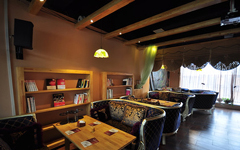
"performance Cafe" can be called a medium-sized business miracle.
In Guangzhou, the performance Cafe can be called a medium-sized business miracle. As of August this year, it has been on Zhongshan Road for eight years, while many coffee shops have closed down one after another. Miss long, the owner of the coffee shop, opened a coffee shop in order to dilute the cost for art exhibitions, but the latter became the main business, with exhibitions as a foil, and the coffee business was particularly prosperous.